Tracing Connections Between Electronic Gaming Machine Payout Cycles and Variance in Professional Basketball Player Performance Wagers Across Mobile Platforms
Quinn Simon · Aug 23, 2026
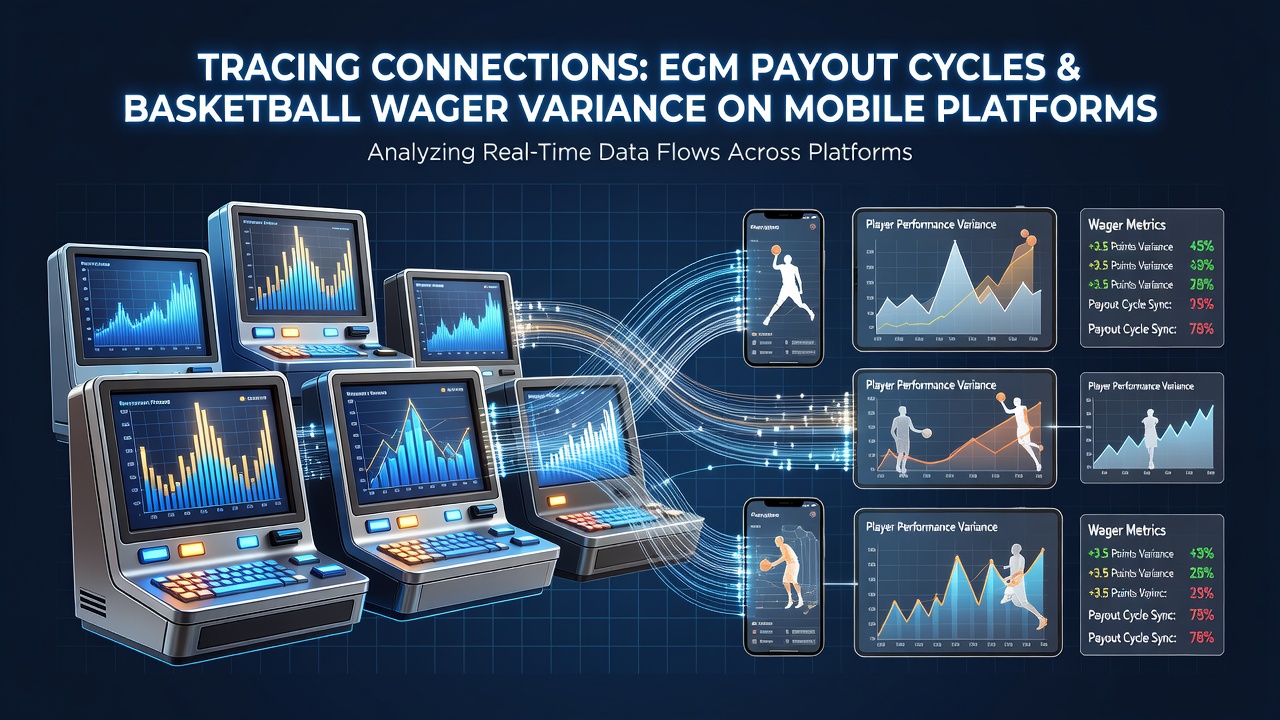
Tracing Connections Between Electronic Gaming Machine Payout Cycles and Variance in Professional Basketball Player Performance Wagers Across Mobile Platforms
Electronic gaming machines operate on programmed payout cycles that incorporate return-to-player percentages alongside volatility measures, and these patterns intersect with statistical fluctuations found in professional basketball player performance wagers processed through mobile applications. Data from multiple jurisdictions shows that both systems rely on random number generators or performance metrics that produce measurable variance over time, yet direct causation between the two remains unproven in published analyses.
Understanding Payout Cycles in Electronic Gaming Machines
Electronic gaming machines follow predetermined payout cycles where short-term results diverge from long-term averages due to built-in volatility settings. Manufacturers program these machines with specific hit frequencies and prize distributions that cycle through periods of lower and higher returns, according to technical standards enforced by regulatory bodies such as the Nevada Gaming Control Board. Mobile platforms hosting sports wagers on basketball player statistics mirror this structure through odds that adjust based on real-time performance data, creating comparable swings in payout probability during individual games or across a season.
Researchers at the University of Nevada, Las Vegas have documented how EGM cycles typically span thousands of spins before aligning with theoretical returns, while basketball prop bets on mobile apps experience variance tied to factors including player minutes, shooting percentages, and opponent defensive schemes. The overlap appears in how both environments aggregate large datasets to calculate expected values, though platform operators treat these calculations separately.
Variance Patterns in Basketball Player Performance Wagers
Professional basketball wagers on individual player metrics, such as points, rebounds, or assists, display variance that shifts across mobile betting interfaces as game conditions change. In August 2026, several major sportsbooks reported increased mobile volume during summer league and preseason periods, where performance data remains limited and lines fluctuate more rapidly than in regular season play. This environment produces payout distributions that resemble the clustered win patterns seen in high-volatility slot machines, where outcomes bunch around certain thresholds rather than distributing evenly.
Analysts tracking these markets note that mobile apps update odds using algorithms sensitive to injury reports, travel schedules, and historical matchups, which introduces layers of uncertainty similar to the random elements in electronic gaming machine reels. One study released by the Australian Gambling Research Centre examined cross-market data and found that bettors placing wagers on player props often encounter streaks of wins or losses that parallel payout cycles observed in land-based and online gaming machines.
Cross-Platform Data Analysis adn Behavioral Overlaps
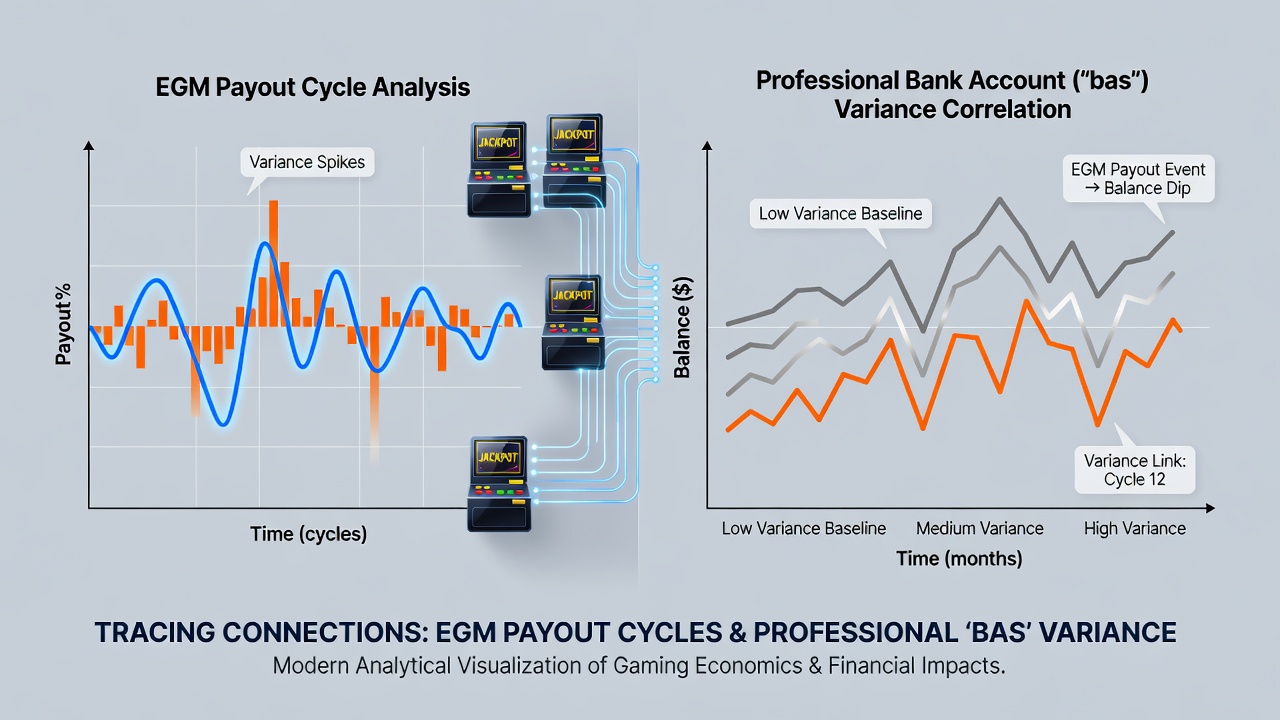
Mobile platforms enable simultaneous access to both electronic gaming machines and sports wagering products, allowing operators to observe user patterns across categories. Transaction logs from these integrated systems reveal that sessions involving basketball player performance bets sometimes coincide with EGM play during the same login period, particularly among users who maintain accounts across multiple verticals. Regulatory reports from the Massachusetts Gaming Commission indicate that such combined activity contributes to measurable differences in session duration and average bet size compared with single-product engagement.
Statistical models applied to these datasets identify correlations in timing, where periods of higher variance in basketball wagers align with user shifts toward machines programmed for elevated volatility. Yet these models stop short of establishing predictive links, because player performance data and machine algorithms function under independent random processes. Observers note that responsible gaming tools on mobile platforms flag extended sessions regardless of product type, treating variance exposure uniformly across sports props and electronic reels.
Regulatory and Technical Frameworks in 2026
By August 2026, several states had updated technical requirements for mobile sportsbooks to include clearer disclosure of variance metrics for player performance markets, mirroring existing standards applied to electronic gaming machines. These updates require operators to present historical payout ranges for prop bets in formats comparable to return-to-player information displayed on gaming devices. The changes aim to align user expectations across product lines without implying operational connections between the underlying systems.
Industry groups such as the National Association of Gaming Regulators have compiled comparative datasets showing that both markets operate within defined mathematical boundaries, with basketball prop variance constrained by league rules and EGM cycles limited by certification testing. Mobile integration allows for real-time monitoring of these boundaries, yet separate compliance teams handle each vertical to maintain distinct audit trails.
Conclusion
Connections between electronic gaming machine payout cycles and variance in professional basketball player performance wagers surface through shared statistical properties and mobile platform aggregation rather than direct mechanistic influence. Available data from regulatory sources and academic examinations describe parallel patterns of fluctuation without demonstrating transfer effects between the two. Operators continue to manage each category under separate technical and compliance structures while users encounter both within unified applications.