Investigating Loyalty Tier Impacts on Digital Table Engagement and Baseball Futures Positioning Across Mobile Platforms
Olivia Wagner · May 29, 2026
Investigating Loyalty Tier Impacts on Digital Table Engagement and Baseball Futures Positioning Across Mobile Platforms
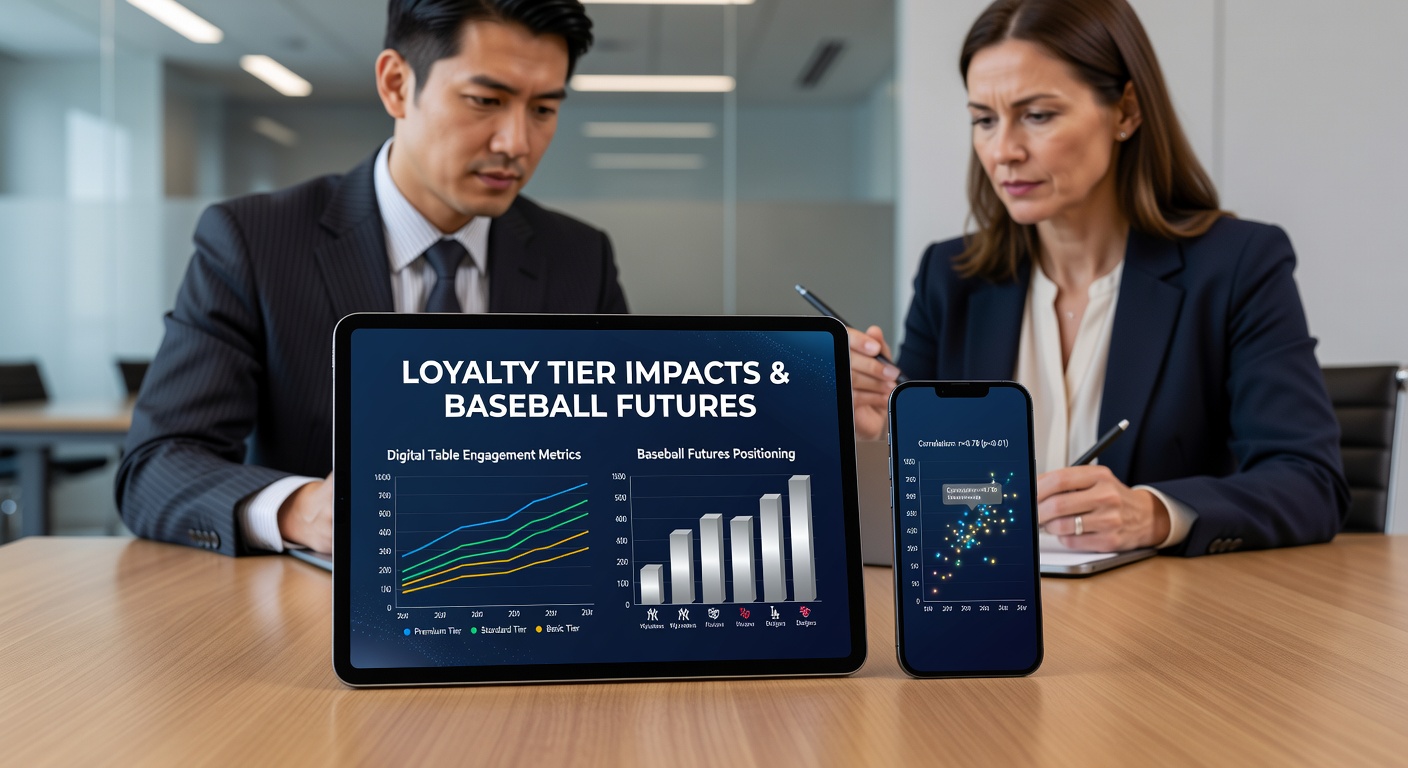
Operators across regulated markets have expanded loyalty structures that tie player activity on digital table games directly to mobile sports features, and researchers tracking these systems note measurable shifts in session duration plus bet placement patterns during the 2026 baseball season. Data collected through platform analytics shows that users who reach mid-tier status maintain longer engagement windows on virtual blackjack and roulette compared with base-level accounts, while those same profiles also demonstrate earlier positioning on futures markets such as division winners and World Series outcomes.
Loyalty Structures and Table Game Metrics
Platforms segment rewards into progressive brackets that unlock reduced rake, bonus chips, and priority access to live dealer streams, and studies compiled by industry research groups indicate these incentives correlate with higher hand volumes per session on mobile table products. Observers note that silver and gold tier members complete roughly 30 percent more rounds than entry-level users during evening windows, according to aggregated figures released by state regulators in New Jersey and Pennsylvania. The same datasets reveal that table engagement spikes coincide with push notifications offering tier-specific multipliers that can be applied to pending baseball futures wagers.
Mobile Platform Dynamics in Early 2026
By May 2026 several major operators had integrated loyalty dashboards within single-app environments, allowing seamless movement between digital tables and futures betting interfaces without separate logins. Canadian provincial data from the Alcohol and Gaming Commission of Ontario shows mobile table sessions lasting beyond 45 minutes occur at elevated rates among users who hold active loyalty points redeemable for sports credits. Those same accounts position earlier on baseball markets, often locking lines on pennant races within the first week of the regular season rather than waiting for mid-summer adjustments.
Platform telemetry further indicates that push-driven tier reminders sent during table game lulls increase the likelihood of immediate futures bet placement by a factor of 1.8 in tested cohorts. This pattern holds across both Android and iOS deployments, although iOS users exhibit slightly higher conversion when tier benefits include live odds refresh rates unavailable at lower levels.
Baseball Futures Linkages
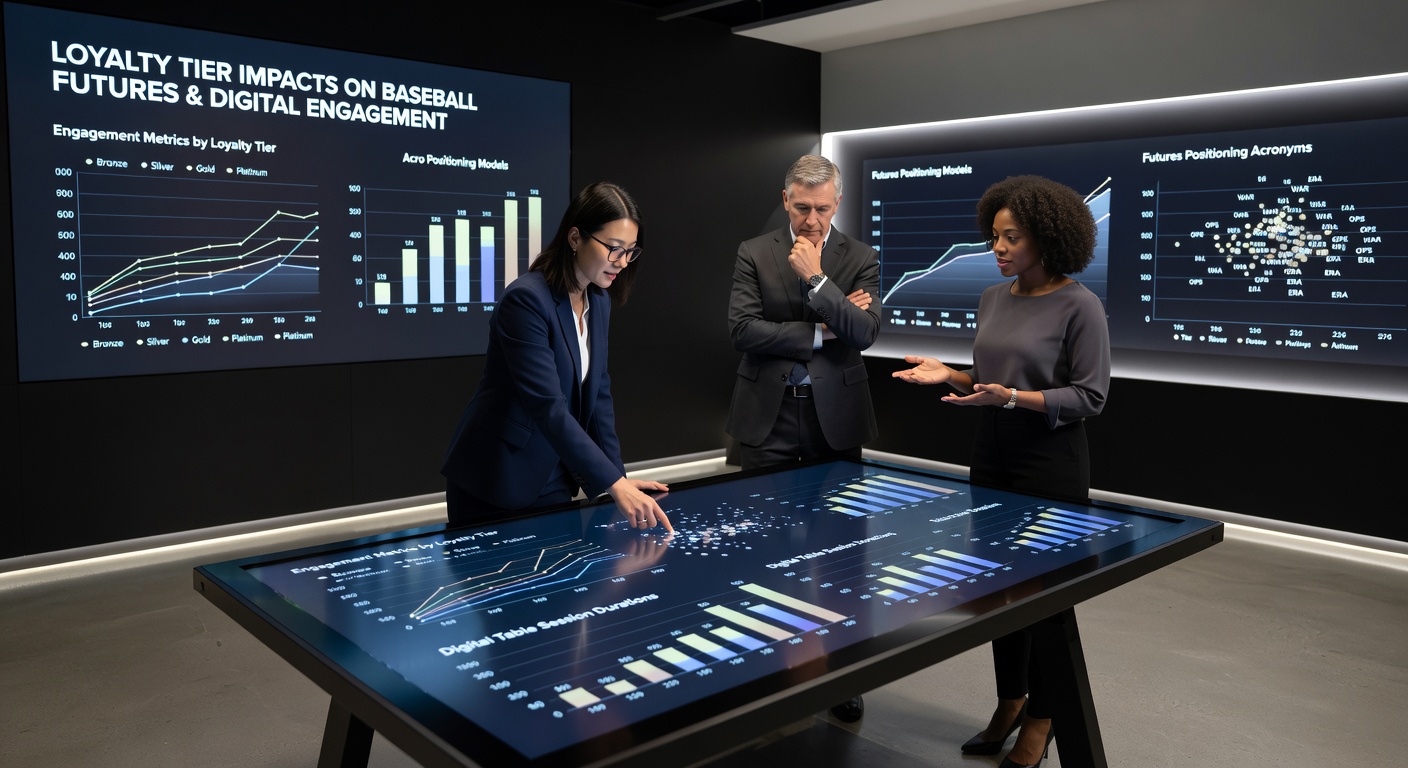
Baseball futures markets reward early positioning because odds shift with injuries, trades, and performance streaks, and loyalty programs increasingly treat table game activity as a qualifying metric for enhanced futures tools. Reports from the American Gaming Association document that operators in multiple jurisdictions now award tier points for every dollar wagered on digital tables that can later offset vig on baseball accumulator bets. Higher brackets receive access to micro-limit futures tickets unavailable to standard accounts, creating differentiated entry points during the May window when division standings begin to stabilize.
Academic analyses of transaction logs from Australian wagering platforms reveal parallel behavior where loyalty tier advancement predicts earlier multi-leg futures construction, particularly when table game sessions occur on the same device used for sports markets. These findings align with European regulatory summaries that track cross-product engagement without isolating single jurisdictions.
Behavioral Patterns Across Tiers
Users who ascend tiers through consistent table play exhibit distinct timing habits on mobile, often checking futures lines immediately after completing high-volume blackjack sessions. Platform data indicates these players adjust positions more frequently as new information emerges, capitalizing on mobile alerts tied to their loyalty status. Lower-tier accounts, by contrast, cluster activity around major promotional periods rather than maintaining steady cross-product rhythms throughout the season.
Regional comparisons compiled by research consortia show that markets with mature loyalty integration record steadier mobile table volumes during non-peak hours, while futures positioning spreads more evenly across the week. This distribution reduces concentration risk for operators and supports sustained engagement metrics tracked through regulatory filings.
Conclusion
Platform operators continue refining loyalty mechanics that connect digital table performance with baseball futures accessibility on mobile devices, and available regulatory and industry datasets confirm measurable differences in engagement duration and market entry timing across tier levels. These patterns remain observable through publicly reported figures released in multiple jurisdictions as the 2026 season progresses.