How Biometric Tracking Systems Sync Player Habits Across Virtual Table Environments and Global Athletic Event Pools
Casey Brooks · Jul 10, 2026
How Biometric Tracking Systems Sync Player Habits Across Virtual Table Environments and Global Athletic Event Pools
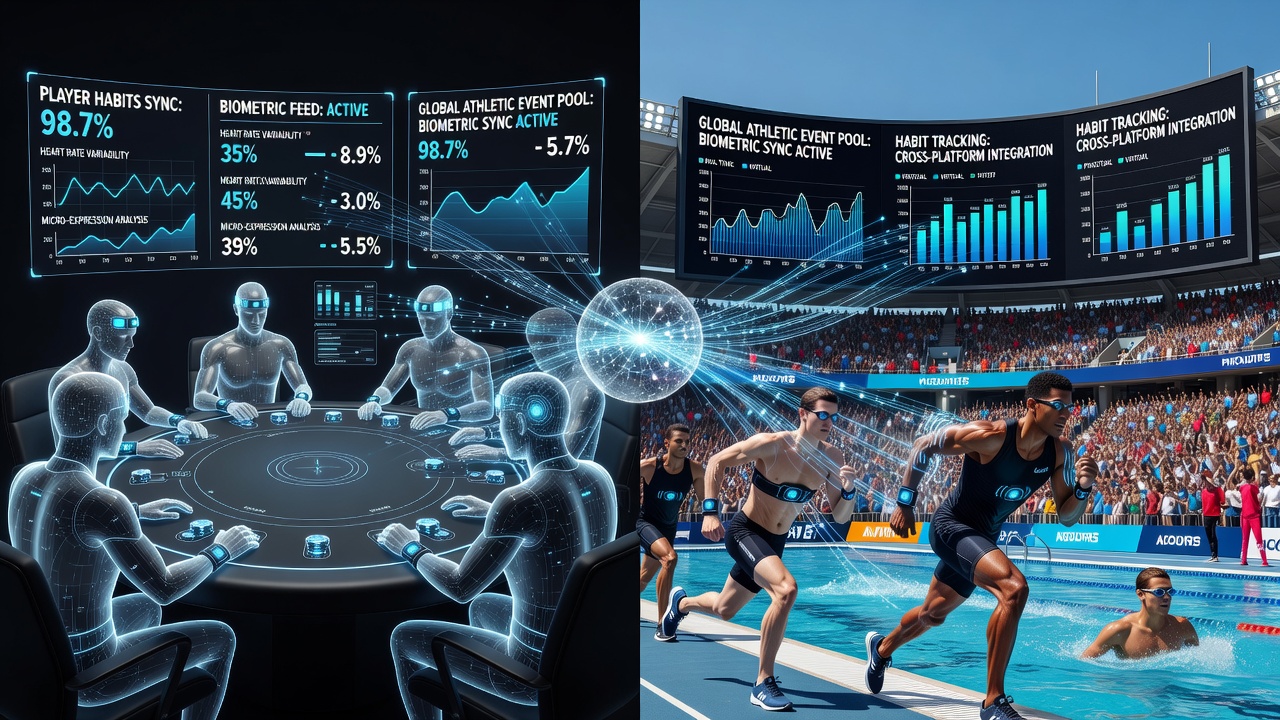
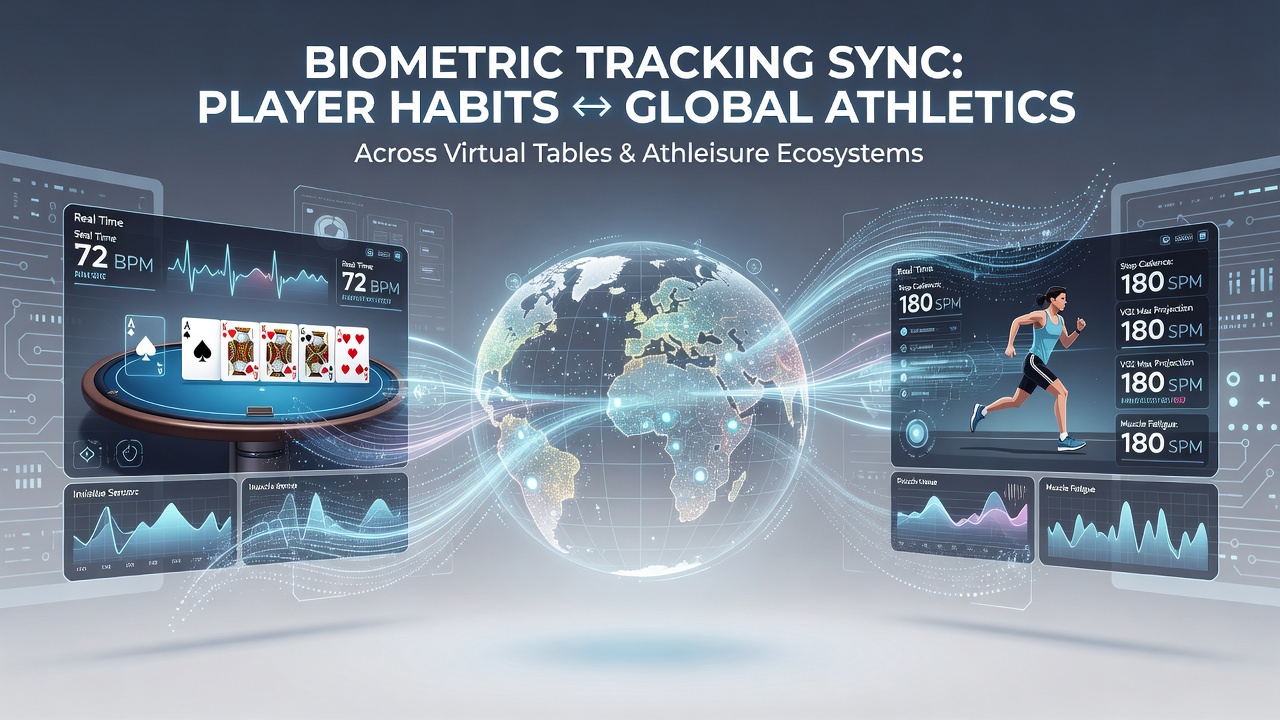
Biometric tracking systems collect physiological data from users during gameplay and transmit it across platforms to align behavioral patterns in both virtual table settings and sports betting markets. These systems monitor metrics such as heart rate variability, eye movement patterns, and skin conductance while players engage with digital poker tables or blackjack interfaces. Data flows into centralized databases that cross-reference habits with activity in athletic event pools covering soccer leagues and basketball tournaments.
Core Mechanisms Behind Data Collection
Devices embedded in gaming hardware capture signals continuously and process them through algorithms designed to identify consistent response triggers. For instance, a sudden spike in pulse rate during a high-stakes virtual hand often correlates with similar physiological shifts observed when bettors adjust wagers on live tennis matches. Software normalizes these readings across devices so that patterns remain comparable even when users switch from mobile table games to desktop sports interfaces.
Research indicates that synchronization occurs via encrypted cloud servers which aggregate anonymized datasets from multiple operators. According to figures from the New Jersey Division of Gaming Enforcement, biometric integration in licensed platforms increased by 28 percent between January and June 2026, with notable spikes recorded in July as new virtual table modules rolled out. The process relies on machine learning models that map individual baseline readings against aggregate trends from global athletic pools.
Cross-Platform Habit Alignment Processes
Habit synchronization begins when a player completes a session on a virtual table environment and the system flags recurring decision points. These points then influence suggested bet structures in sports markets through shared user profiles. Eye-tracking data from poker sessions, for example, reveals hesitation patterns that operators link to line movements in international hockey events. The alignment allows platforms to adjust interface elements in real time while maintaining compliance with regional data standards.
One documented case involved a European operator that connected biometric feeds from online roulette tables with basketball futures markets. The integration revealed that players exhibiting rapid breathing during late-game table decisions tended to favor higher-volatility accumulators in sports pools. Data processing occurred through standardized APIs that preserved user consent layers without exposing raw identifiers.
Regulatory and Technical Frameworks in 2026
Regulatory bodies in multiple jurisdictions have established guidelines for biometric data handling in gaming contexts. The Malta Gaming Authority updated its technical specifications in early 2026 to require explicit opt-in protocols for cross-environment syncing. Similar measures appeared in Australian state regulations, where operators must demonstrate that athletic event pool data remains segregated until explicit player authorization occurs.
Technical standards developed by the Interactive Gaming Council emphasize interoperability between virtual table systems and sports betting engines. These standards specify encryption levels and audit trails that track every data transfer event. In July 2026 several major platforms completed compliance audits showing that biometric sync reduced duplicate account creation by 17 percent across participating networks.
Implementation Examples Across Regions
North American operators have deployed wristband sensors in select virtual table environments to gather continuous readings during extended sessions. These readings feed directly into models that predict engagement levels in soccer betting pools. European platforms meanwhile focus on facial recognition modules integrated with mobile apps, linking table game micro-expressions to basketball prop bet selections.
Studies from the University of Sydney's gambling research unit document how biometric thresholds trigger automated notifications when players approach self-imposed limits. The same thresholds apply uniformly whether the activity occurs at a digital blackjack table or within an equine performance market interface. This uniformity stems from shared calibration protocols that account for regional differences in average heart rate baselines.
Future Data Integration Pathways
Expansion of these systems continues through partnerships between hardware manufacturers and betting networks. Additional sensors capable of measuring grip pressure on controllers now appear in prototype virtual table setups, with plans to extend the capability to athletic event pool terminals. Observers note that July 2026 testing phases demonstrated seamless handoff of habit profiles between environments without latency exceeding 400 milliseconds.
Conclusion
Biometric tracking systems create unified player profiles by translating physiological signals from virtual table sessions into actionable insights for global athletic event pools. The synchronization relies on standardized data protocols, regional regulatory oversight, and continuous algorithm refinement. As adoption grows, platforms maintain separate consent mechanisms while enabling cross-environment pattern recognition through secure aggregation methods.