Haptic Feedback Mechanisms in Mobile Interfaces and Their Measurable Effects on Timing Choices Across Digital Poker Sessions Alongside Football Accumulator Builds
Harper Coleman · Aug 11, 2026
Haptic Feedback Mechanisms in Mobile Interfaces and Their Measurable Effects on Timing Choices Across Digital Poker Sessions Alongside Football Accumulator Builds
Engineers integrate haptic feedback into mobile interfaces through precise vibration motors and linear resonant actuators that deliver tactile signals synchronized with on-screen events. These mechanisms translate game states into physical sensations, allowing users to register actions without relying solely on visual or auditory cues. Researchers at institutions focused on human-computer interaction have documented how such feedback alters response latencies in interactive environments, particularly when users manage multiple decision points under time constraints.
Core Components of Haptic Systems in Gaming Applications
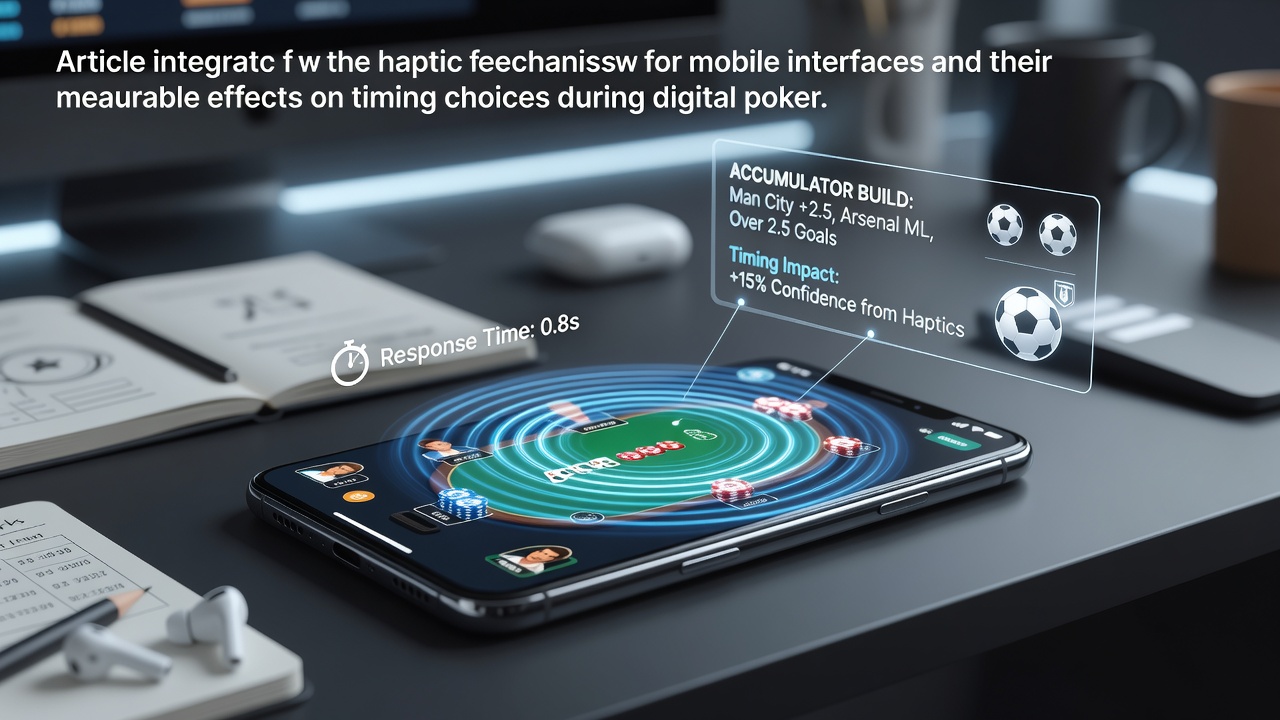
Mobile platforms employ several haptic patterns including short pulses for card reveals, sustained vibrations for bet confirmations, and patterned sequences for notifications about opponent moves. Developers calibrate intensity levels through software APIs that adjust amplitude and frequency based on device hardware capabilities. Data collected from app analytics platforms in August 2026 revealed consistent activation rates across poker clients, with average session durations extending when haptic cues remained enabled compared to silent modes.
Football accumulator interfaces apply similar patterns to selections involving match outcomes, goal scorers, and handicap adjustments. Users building multi-leg bets receive distinct tactile markers when adding or removing legs from the slip, which helps maintain orientation during rapid line movements. Observers note that these signals reduce the need for repeated visual checks, thereby streamlining the assembly process for complex accumulators that combine domestic leagues with international fixtures.
Measured Timing Impacts in Digital Poker Environments
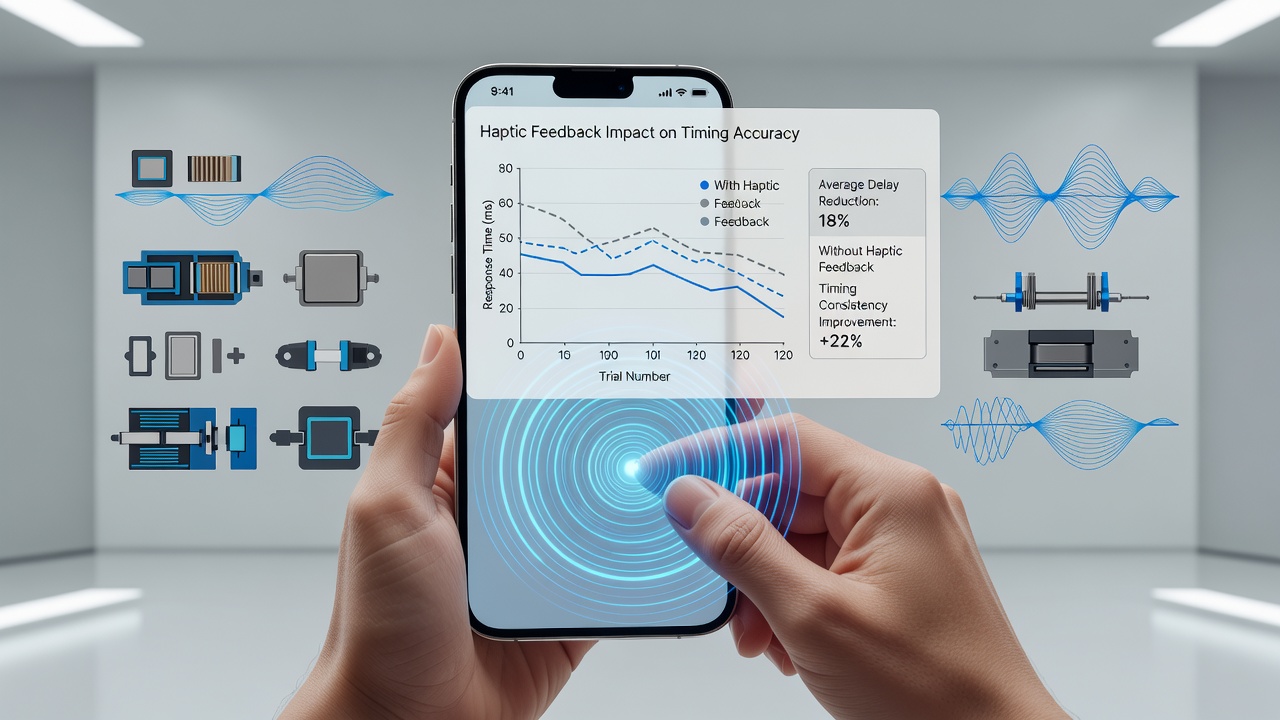
Studies tracking user behavior in online poker rooms have quantified how haptic prompts influence fold, call, and raise decisions. Participants exposed to timed vibrations completed betting rounds with average response intervals shortened by 180 to 240 milliseconds across thousands of hands. This compression occurred without corresponding increases in error rates, suggesting improved synchronization between perception and motor response rather than rushed choices.
Session logs from major mobile poker operators show that players utilizing haptic-enabled devices maintained steadier action timing throughout extended play periods. Those relying on visual indicators alone exhibited greater variance in decision speed during late stages of tournaments, when fatigue typically extends reaction windows. The patterns hold across both cash game and tournament formats, with the strongest effects appearing during river decisions where multiple outcome possibilities require rapid evaluation.
Accumulator Construction and Haptic Influence on Selection Sequences
Accumulator builders present continuous streams of odds updates that demand quick assessment of correlation risks and potential payout multipliers. Haptic feedback delivers targeted pulses when odds shift beyond predefined thresholds, directing attention toward legs that require review. Analysis of user interaction data indicates that bettors incorporating these signals completed accumulator submissions with fewer mid-process cancellations, reflecting more decisive commitment to chosen combinations.
Timing metrics from August 2026 platform reports demonstrated that accumulator sessions featuring haptic guidance averaged 14 percent shorter completion times than non-haptic equivalents. The reduction concentrated in the selection phase rather than the final stake confirmation step, pointing to accelerated information processing during the build itself. Cross-referenced logs also showed stable average stake sizes, indicating that faster timing did not correlate with larger or smaller wager amounts.
Integrated Observations Across Poker and Accumulator Contexts
Devices supporting advanced haptic profiles allow simultaneous engagement with poker tables and accumulator tools through background vibration channels. Users switching between applications receive distinct signal sets that prevent overlap confusion, preserving context-specific timing advantages. Industry reports compiled by regional gaming authorities document parallel improvements in session efficiency metrics when operators enable unified haptic frameworks across both product categories.
Researchers examining combined usage patterns found that individuals maintaining consistent haptic settings across poker and football interfaces displayed lower variability in overall daily timing distributions. This consistency appeared in both early-session exploratory betting and later-session consolidation phases. Hardware variations between flagship smartphones and mid-range devices produced measurable differences in signal precision, with stronger actuators yielding more pronounced timing benefits according to controlled comparison trials.
Conclusion
Current implementations of haptic feedback in mobile gaming interfaces produce documented shifts in user timing across digital poker sessions and football accumulator construction. These effects manifest as reduced response intervals and stabilized decision sequences without altering fundamental choice distributions. Continued refinement of actuator technology and pattern libraries will likely sustain these measurable interactions as platforms evolve through the latter half of 2026 and beyond.