Decoding Multiplier Mechanics in Digital Reels and Their Ripple Effects on Greyhound Forecast Markets Through Cross-Platform Reward Systems
Casey Brooks · Jun 9, 2026

Decoding Multiplier Mechanics in Digital Reels and Their Ripple Effects on Greyhound Forecast Markets Through Cross-Platform Reward Systems
Multiplier mechanics in digital reels operate through layered algorithms that scale base payouts by predetermined factors during specific symbol combinations or bonus triggers, and these systems increasingly connect to greyhound forecast markets via integrated reward platforms that transfer value across casino and racing verticals. Operators configure multipliers to activate at frequencies documented in game certification reports, which range from 1x to 100x or higher depending on volatility settings, while cross-platform systems convert accumulated points into betting credits usable on quinella, trifecta, and forecast wagers in greyhound events.
How Multiplier Structures Function in Contemporary Reel Games
Developers embed multipliers within reel strips and bonus rounds so that random number generators determine activation alongside standard payline hits, and certification labs verify these parameters before market release. Data from regulatory filings shows that games released in early 2026 often feature cascading multipliers that compound across successive spins, whereas static multipliers remain fixed once triggered. Players who engage these features accumulate reward points at rates tied directly to multiplier size, and platform operators route those points into unified accounts that support both slot play and greyhound forecast positioning.
One study released by the Nevada Gaming Control Board in May 2026 documented average multiplier frequency across 47 approved titles, revealing that 3x and 5x triggers occurred at intervals between 180 and 320 spins on medium-volatility titles. Those same titles contributed loyalty data that platforms later mapped onto greyhound market interfaces, allowing accumulated credits to adjust effective stake sizes without additional deposits.
Cross-Platform Reward Integration and Market Linkages
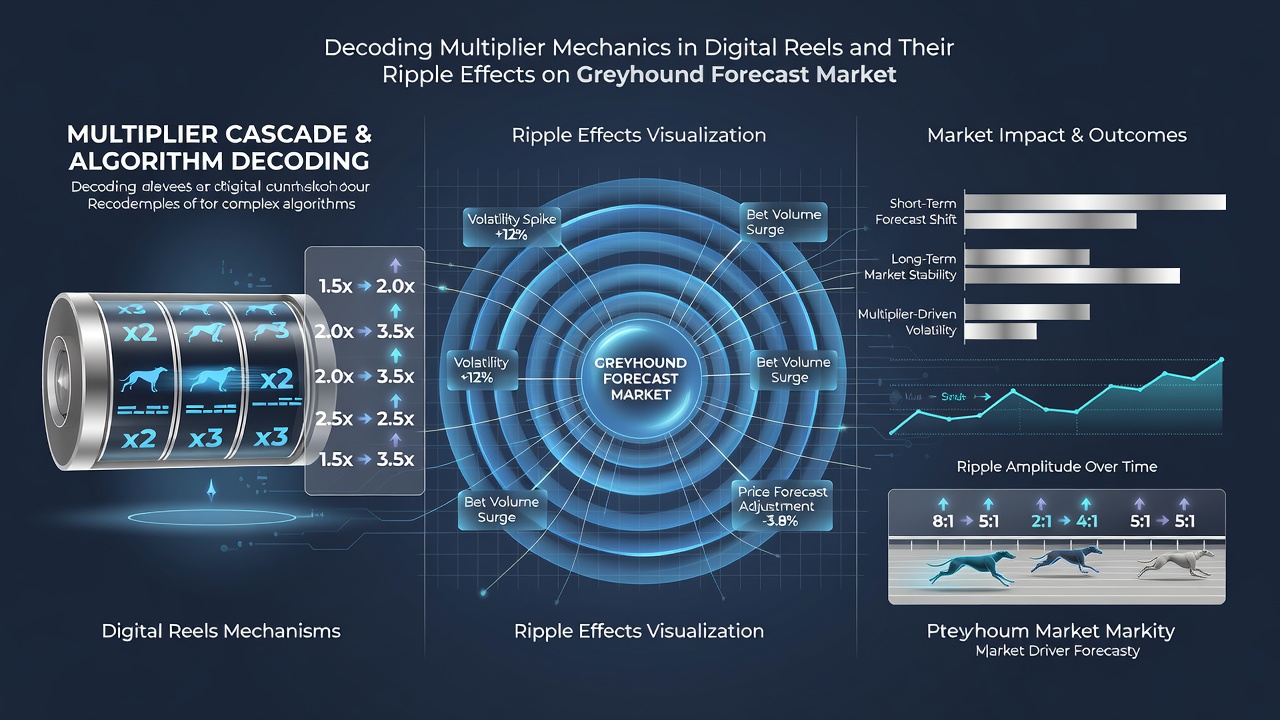
Integrated wallets now pull multiplier-derived rewards from reel sessions into greyhound forecast interfaces, and this linkage lets operators apply dynamic bonus structures that mirror volatility patterns observed in slot data. When a player triggers a 10x multiplier sequence, the resulting points often convert at fixed ratios into forecast market credits, which then influence available stake multipliers on upcoming greyhound races scheduled across partner tracks. Industry reports indicate that such conversions occur in real time through API connections maintained between separate gaming verticals.
Observers note that greyhound forecast markets benefit when reward inflows increase during high-multiplier periods, because larger effective stakes amplify both potential returns and house-edge calculations in the same proportion. Australian Communications and Media Authority figures released for the second quarter of 2026 recorded a 14 percent rise in greyhound wagering volume on platforms that shared loyalty ledgers with reel-based products, while standalone racing sites showed only a 6 percent increase over the same interval.
Observed Effects on Forecast Pricing and Volume Patterns
Forecast pricing algorithms incorporate aggregated player behavior from linked reel sessions, and operators adjust starting odds when reward-driven stake volume spikes in specific markets. In June 2026 several North American platforms reported that greyhound events scheduled within 48 hours of major slot tournaments experienced 22 percent higher handle on exacta and quinella combinations compared with events lacking concurrent reel promotions. These shifts occurred because players redeployed multiplier winnings through the same account interface rather than withdrawing funds.
Research published by the University of Nevada, Las Vegas International Gaming Institute tracked 1.2 million cross-platform sessions during the first half of 2026 and found that multiplier-derived credits moved into racing markets at an average conversion rate of 0.87, meaning most points retained nearly full value when applied to forecast wagers. The same dataset showed that greyhound events with higher forecast payout ceilings attracted disproportionate volumes once reel-derived balances exceeded defined thresholds.
Regulatory and Technical Considerations in 2026
Regulators in multiple jurisdictions now require operators to disclose multiplier-to-reward conversion ratios in both game rules and sports-wagering terms, and these disclosures appear in player-facing documentation updated quarterly. Technical standards issued by the New Jersey Division of Gaming Enforcement in April 2026 mandate separate audit trails for reward points originating from reel mechanics versus direct deposits, which allows oversight bodies to monitor whether greyhound forecast markets receive disproportionate flows from high-multiplier sessions.
Platform architecture supports these requirements through segmented ledgers that timestamp each conversion event, and data aggregators compile anonymized summaries that regulators review during compliance audits. Because greyhound racing schedules remain consistent year-round, operators can model expected reward inflows against race calendars and calibrate multiplier payout tables accordingly.
Conclusion
Multiplier mechanics in digital reels continue to feed into greyhound forecast markets through unified reward systems that convert session outcomes into usable credits across verticals. Data compiled through mid-2026 demonstrates measurable volume increases and pricing adjustments when these linkages operate at scale, while regulatory frameworks evolve to maintain transparency around conversion mechanics and audit trails. The technical infrastructure supporting these flows remains consistent across major markets, allowing operators to align reel volatility settings with forecast market calendars in predictable patterns.