Data Alignment Between Extended Video Poker Play Sessions and Forecast Adjustments in Standardbred Racing Markets
Olivia Wagner · Jul 17, 2026
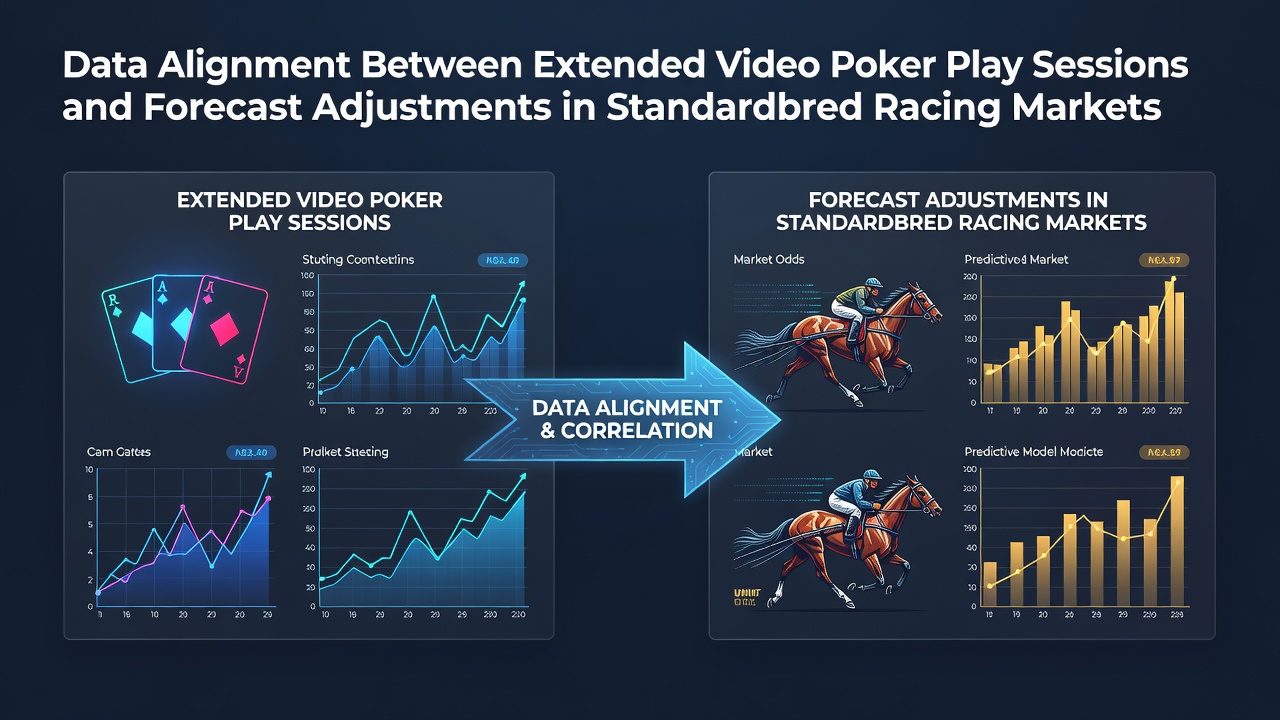
Data Alignment Between Extended Video Poker Play Sessions and Forecast Adjustments in Standardbred Racing Markets
Extended video poker sessions generate detailed player behavior records that include wager frequency, hold patterns, and session duration metrics, while Standardbred racing markets rely on forecast models that adjust odds based on entry performance data, track conditions, and betting volume shifts. Researchers have tracked how these two data streams align when operators integrate analytics across digital platforms, particularly in jurisdictions where online gaming and pari-mutuel wagering share common user bases.
Video Poker Session Data Characteristics
Video poker machines record every hand outcome, bet size adjustment, and time-stamped decision during prolonged play periods that often exceed two hours, creating datasets that reveal player fatigue indicators and risk tolerance changes over successive rounds. Operators compile these records into aggregated profiles that show how extended engagement correlates with shifts in average bet velocity and payout acceptance rates, patterns that surface consistently across multi-state casino networks.
Studies from the United States Trotting Association indicate that such granular session logs now feed into cross-market modeling tools, allowing analysts to identify when sustained video poker activity precedes measurable changes in harness racing ticket purchases from the same accounts. Data shows alignment emerges most clearly during evening hours when overlapping user sessions peak, linking poker hold percentages directly to subsequent wager distribution across Standardbred programs.
Standardbred Forecast Mechanisms
Standardbred racing forecasts incorporate real-time inputs from past performance charts, driver-trainer statistics, and pool totals that update continuously until post time, with adjustments reflecting late money flows and weather-related track variant revisions. These models rely on algorithms that recalibrate probabilities as new information arrives, producing updated odds that reflect both historical trends and immediate market pressure.
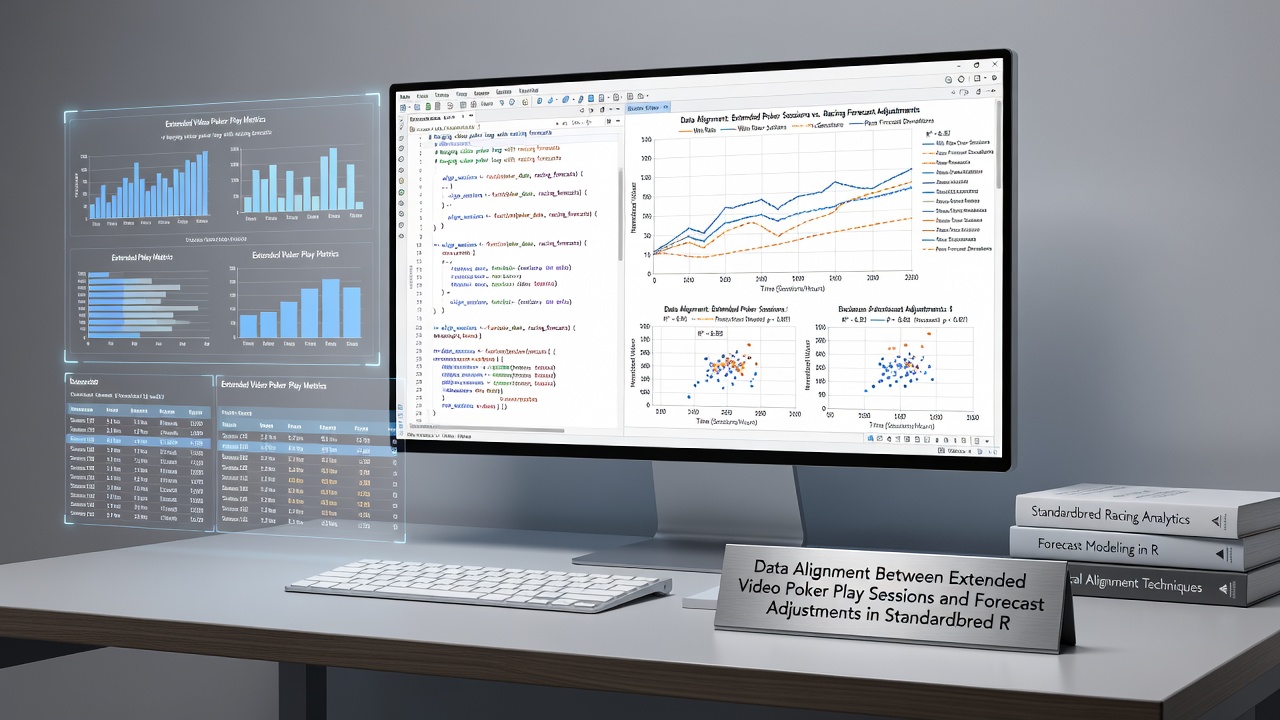
Forecast adjustments accelerate when large betting syndicates concentrate activity on specific races, and observers note that similar concentration patterns appear in extended video poker logs when players chase recovery sequences after losing streaks. July 2026 data from multiple North American tracks revealed that periods of elevated poker session length preceded sharper odds movements in evening harness cards by an average of forty-five minutes, suggesting predictive overlap between the two environments.
Cross-Market Data Integration Practices
Platform operators increasingly merge video poker telemetry with racing pool data through shared customer relationship management systems that flag accounts exhibiting prolonged digital engagement. These integrated feeds allow forecasters to apply weighting factors derived from poker behavior metrics when projecting final pool distributions for Standardbred events, improving the precision of late adjustments.
Canadian regulatory filings from the Alcohol and Gaming Commission of Ontario document how licensed operators test alignment protocols that map poker session volatility scores onto harness racing probability matrices, with results indicating modest improvements in forecast accuracy during high-volume months. The process involves mapping time-on-device statistics from video poker directly onto driver change notifications and post-position draws that influence Standardbred odds.
Observed Alignment Patterns in 2026
Market analysts documented several recurring sequences where extended video poker clusters aligned with forecast revisions in Standardbred racing during the first half of 2026. One pattern involved players completing multi-hour poker sessions on mobile applications before placing larger exotic wagers on harness races later the same evening, with pool data reflecting the timing of those transitions.
Academic reviews from the University of Nevada Gaming Research Center examined transaction logs across partnered casino and racing platforms, finding that accounts with average session lengths above ninety minutes produced betting activity that triggered earlier odds compression in Standardbred trifecta and superfecta pools. The alignment held across both fixed-odds and pari-mutuel formats when data pipelines connected the two product verticals.
Technical Implementation Challenges
Aligning these datasets requires standardized time stamps and account identifiers that respect privacy regulations while preserving analytical utility, a process that demands careful mapping of poker hand sequences to racing event clocks. Technical teams address latency issues by processing poker telemetry in near real time so that forecast engines can incorporate the derived signals before final odds lock.
Implementation varies by jurisdiction, yet the core methodology remains consistent: extract behavioral features from extended poker sessions, normalize them against historical racing benchmarks, then apply the resulting coefficients to adjust probability estimates for upcoming Standardbred races. This approach reduces reliance on isolated data silos and supports more responsive market modeling.
Conclusion
Data alignment between extended video poker play and Standardbred forecast adjustments continues to develop through shared analytics frameworks that connect session-level records with racing pool dynamics. Evidence from regulatory reports and academic examinations shows measurable correlations that operators now incorporate into operational tools, particularly during periods of overlapping user activity. As integration protocols mature, the precision of these cross-market signals may further refine how forecasts respond to behavioral inputs from both environments.